
Coffee in the workplace isn't standing still. What people expect from their office coffee setup has changed significantly in the last few years - and 2026 is pushing things further. Whether you're an office manager, a business owner, or someone making decisions about your workplace kitchen, here are the trends worth paying attention to.
Cafe-Quality Coffee is Now the Baseline
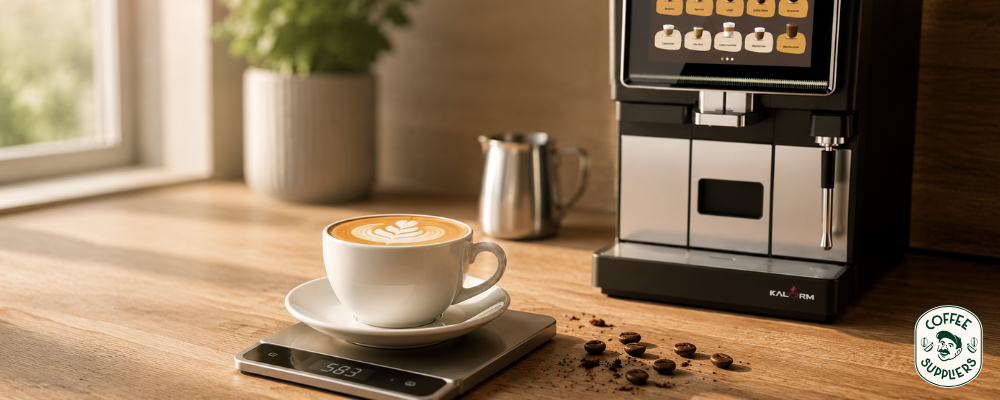
A few years ago, having "good coffee" in the office meant not having instant. That bar has moved. Staff now expect the kind of coffee they'd get at their local cafe - properly extracted espresso, real milk options, and drinks that actually taste like something.
This shift has been driven partly by New Zealand's strong cafe culture and partly by hybrid work. When people are choosing to come into the office rather than work from home, the small things matter. A good coffee machine is one of the easiest ways to make the office feel worth the commute.
The practical upshot: basic pod machines and instant coffee are increasingly seen as a step backwards. Businesses are moving toward bean-to-cup machines that grind fresh for every cup, and the quality gap between office coffee and cafe coffee is getting smaller every year.
Alternative Milks Are Standard, Not Special
Oat, soy and almond milks aren't niche requests anymore. In many offices, they're as commonly used as dairy. This is being driven by a mix of dietary preferences, lactose intolerance, and people simply preferring the taste.
For offices, this means having a machine that can handle alternative milks properly matters. Machines with steam wands give your team the ability to froth whatever milk they prefer - which makes a real difference to the coffee experience compared to machines that only work with powdered milk.
Sustainability is Moving from Buzzword to Expectation
Sustainability in workplace coffee used to mean putting a recycling bin next to the machine. In 2026, it's becoming more embedded in how businesses think about their entire coffee setup.
The big shifts: moving away from single-use pods and capsules toward bean-to-cup systems that produce less waste. Encouraging reusable cups and ceramic mugs. Composting coffee grounds. Choosing suppliers who source beans ethically. Even thinking about the energy efficiency of the machine itself.
None of this requires a massive overhaul. Most of it comes down to choosing the right supplier and the right machine. A bean-to-cup machine using whole beans already eliminates the pod waste problem entirely.
Coffee as a Return-to-Office Tool
This is one of the more interesting trends of the last couple of years. With hybrid work now the norm across New Zealand, businesses are looking for ways to make office days more appealing. Coffee keeps showing up as one of the simplest and most effective tools for that.
It's not just about the caffeine. The coffee station has become a social hub - a place where people bump into each other, have quick conversations, and build the kind of informal connections that are harder to replicate on Zoom. Some businesses are even hosting coffee tastings and cupping sessions as team-building activities.
The trend boils down to this: employers are realising that investing in good coffee is one of the cheapest and most appreciated perks they can offer.
Smarter Machines, Less Hassle
The technology inside commercial coffee machines is getting genuinely useful. Modern machines now feature automated cleaning cycles that take care of daily maintenance, built-in diagnostics that flag issues before they become breakdowns, and consistent extraction that delivers the same quality from the first cup of the day to the last.
This matters for offices because it removes the reliance on any one person knowing how to "work the machine." Nobody needs to be the unofficial office barista. The machine handles the technical side; your team just presses a button and gets a good coffee.
The broader trend here is that machine maintenance is getting simpler and more automated. Less time fiddling, more time drinking.
Non-Coffee Options Are Growing
Not everyone in your office drinks coffee. And the best workplace coffee setups in 2026 are accounting for that. Hot chocolate, chai lattes, matcha and other tea options are increasingly part of the standard offering rather than an afterthought.
This makes sense from a team perspective. If your coffee machine serves everyone - not just the coffee drinkers - it becomes a genuinely shared resource that brings people together rather than leaving some people out.
The Cost-of-Living Factor
With the cost of living still biting across New Zealand, the economics of cafe runs versus in-house coffee are sharper than ever. A daily cafe flat white in Auckland can easily cost $6 or more. Over a year, that's over $1,500 per person.
More employees are noticing this, and more employers are responding by upgrading their office coffee to reduce the need for cafe runs. It's a win for the business (less time away from desks) and a win for staff (saving money on something they were going to drink anyway).
What This Means for Your Business
You don't need to chase every trend. But if your office coffee setup hasn't been reviewed in a while, 2026 is a good year to take a fresh look. The machines are better, the beans are better, the expectations are higher, and the cost of providing great coffee is lower than most people think - especially through rental or free-on-loan arrangements that eliminate upfront costs.
If you're curious about what a modern setup could look like for your team, get in touch and we'll walk you through the options.